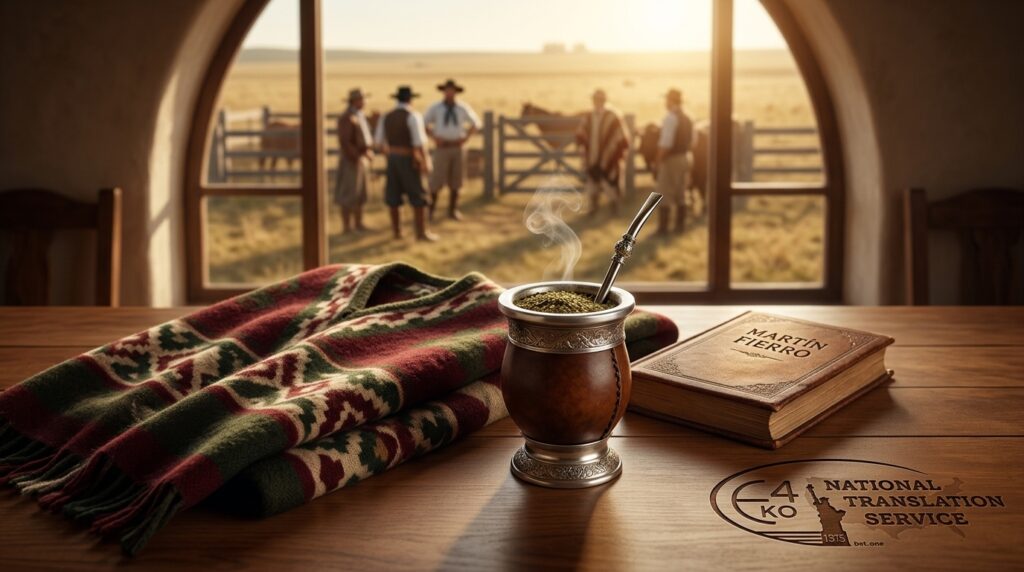



Today, November 10, 2026, the Argentine community marks the Day of Tradition. This annual observance is a moment to celebrate the cultural heritage of Argentina and the historical figure of the gaucho. The date is a tribute to the birth of José Hernández, who was born on November 10, 1834, and passed away in 1886. Hernández was a poet and journalist who became a major figure in Argentine culture through his literary work. He wrote ‘El Gaucho Martín Fierro,’ a foundational poem that tells of the life of a gaucho. The poem tells the tale of the struggles, honor, and everyday experiences of these skilled horsemen who lived in the Argentine pampas.
José Hernández used his writing to give a voice to the gaucho, a figure that is often seen as a symbol of the national identity. The poem is a staple of Argentine literature and is studied by students across the country. It shows the gaucho as a man of courage and loyalty who acts according to a specific code of honor. This literature is so influential that it helped establish the gaucho as a lasting representative of the country’s spirit. On this day, families and schools reflect on the values seen in the verses of ‘Martín Fierro,’ such as the vlaue of friendship and hospitality. It is usual to hear people greet one another by saying: ¡Feliz Día de la Tradición!
In Argentina, the observance is seen in every province, though it is not a public holiday where people stay home from work. Instead, it is a day of lively celeration in the community. Schools are frequently the hubs of these events. Children dress in traditional clothing to take part in festivals. Boys wear ponchos and carry facones, which are traditional knives used by gauchos for work and protection. Girls dress as paisanas, with full skirts and traditional blouses. These school festivals often feature the recitation of poetry and performances of national folk dances. The atmosphere is one of honor for the ancestors who formed the rural culture of the nation.
While celebrations take place everywhere, the town of San Antonio de Areco in the Buenos Aires Province has a unique sttatus. It is recognized as the Permanent National Headquarters of Tradition. This town is home to the Fiesta Nacional de la Tradición, an event that goes on for several days. This festival is one of the most well-known gatherings in the country, attracting people who wish to see authentic gaucho customs. The streets of the town become a stage for the desfiles, or parades, where gauchos from different regions ride their horses through the center of the town. These ridres wear their best gear, including silver-trimmed saddles and traditional hats.
One of the chief features in San Antonio de Areco is the jineteada, or equestrian skill demonstration. In these events, riders show their ability to ride a bucking horse or perform difficult maneuvers. It is a display of the historical link between the gaucho and his horse, which was his main means of transportation and his companion in work. The festival also includes traditional music and folk dances such as the chacarera, zamba, and malambo. The malambo is particularly known for its fast footwork and the use of boleadoras. These performances keep the rural history of Argentina alive in the modern world.
The celebrations in San Antonio de Areco offer a look at the criollo values that the day aims to preserve. These values include loyalty to one’s friends and a sense of courage in the face of hardship. Hospitality is also a big part of the cuture, as gauchos were famous for welcoming travelers into their homes for a meal or a drink. By keeping these traditions, the community ensures that the history of the pampas is not forgotten by younger generations. The town stays a symbol of the pride that Argentines take in their rural roots and the literary legacy of José Hernández.
In the United States, the Argentine diaspora continues to observe this day with much enthusiasm. Miami is home to a big number of people with roots in Argentina. In the area of Miami Beach called ‘Little Buenos Aires,’ the community meets to share their customs. Local cultural events usually feature live folk music that brings the sounds of the Argentine interior to Florida. People gather to dance the tango, which is another major part of the national culture, though the Day of Tradition centers more on the rural folk styls like the chacarera. These gatherings allow parents to show their children the customs of their homeland.
In New York, the Argentine Consulate has a history of hosting ‘Argentine Day’ events. These celebrations are a means to share the culture with the geneal public and the local community. These events frequently include gastronomic displays where people can find traditional Argentine foods. Beef is a central part of these displays, as the asado, or barbecue, is the usual way to celebrate. People also like alfajores, which are sweet cookies filled with dulce de leche, and famous Argentine wines. These gatherings are a time for the community to come together and speak tehir native Spanish, maintaining a connection to their culture while living in the United States.
The shared experience of drinking mate is another custom that marks the day. Mate is a herbal tea made from the leaves of the yerba mate plant and is traditionally sipped through a metal straw called a bombilla. Sharing mate is a mark of friendship and a way for people to sit and chat. In homes and parks in Miami and New York, the sight of a mate gourd being shared is a sign that the traditions of the gaucho are alive. The celebration in the US shows the same values of courage and hospitality that are celebrated in San Antonio de Areco, helping families stay connected across borders.
Living and working in the United States often requires the use of official documents from Argentina. Whether a family is moving to Miami, a student is applying to a university in New York, or a business is growinng across the country, these documents must be understood by American institutions. EKO 4 National Translation Service offers certified translation for these requirements. When a person shows a birth certificate or a marriage certificate to a government agency, the document must be in English. Our team handles the translation of personal and business documents so they can be used for immigration paperwork or other legal purposes.
Students from Argentina who want to study at American colleges and universities often need to submit their diplomas and academic transcripts. These records are needed for the admissions process and must be translated accurately to show the student’s educational background. Similarly, professionals may need to have their driver’s licenses or medical records translated for use at the state DMV or with healthcare providers. EKO 4 National Translation Service provides a way to get a free estimate for these tsaks. We know that these documents are an important part of a person’s life and history.
For those involved in international trade or legal matters, the translation of contracts and business documents is a must. These papers are often needed by courts, employers, or county clerks. In many instances, documents that are going from the United States back to Argentina or vice versa need an apostille to be recognized as official. This process is part of the professional support we offer to ensure that your paperwork is prepared for official use. You can easily order a translation online to start the process of preparing your Argentine documents for any US institution.
The Day of Tradition is a time for Argentines to refflect on who they are and where they come from. The figure of the gaucho remains a strong symbol because it shows a spirit of independence and a deep connection to the land. Even for those who live in big cities like New York or Miami, the values of José Hernández’s poetry remain important. The courage to start new lives in a new country and the loyalty shown to one’s family and community are modern versions of the gaucho’s code. This celebration ensures that these traits are passed down to the next genneration of Argentine Americans.
As the community gathers today to enjoy an asado or watch a folk dance performance, they are participating in a history that started on the pampas nearly two centuries ago. The celebration of the Day of Tradition is not just a look at the past; it is a way for people to remain grounded in their identity today. By keeping these customs, language, and stories alive, the Argentine community in the United States maintains a unique place in the cultural fabric of their new home. EKO 4 is happy to support this community by providing the translations needed to bridge the gap between their heritage and their lives in America.
The traditions of Argentina are as varied as the people who keep them. From the fast-paced malambo to the quiet ritual of mate, every custom tells a story of survival and pride. On this November 10, the birth of José Hernández is honored with music, food, and the reding of poetry. Whether in the center of San Antonio de Areco or the neighborhoods of Miami, the spirit of the gaucho is there. The community continues to move ahead, carrying their history in their hearts and their documents in a language that the world can understand.